CORPUS emerged in 2021 from the question of how to build large, high-quality music datasets for AI training without bypassing rights or excluding creators. Our White Paper explains why existing approaches fail and outlines an alternative licensing and royalty framework for music AI.
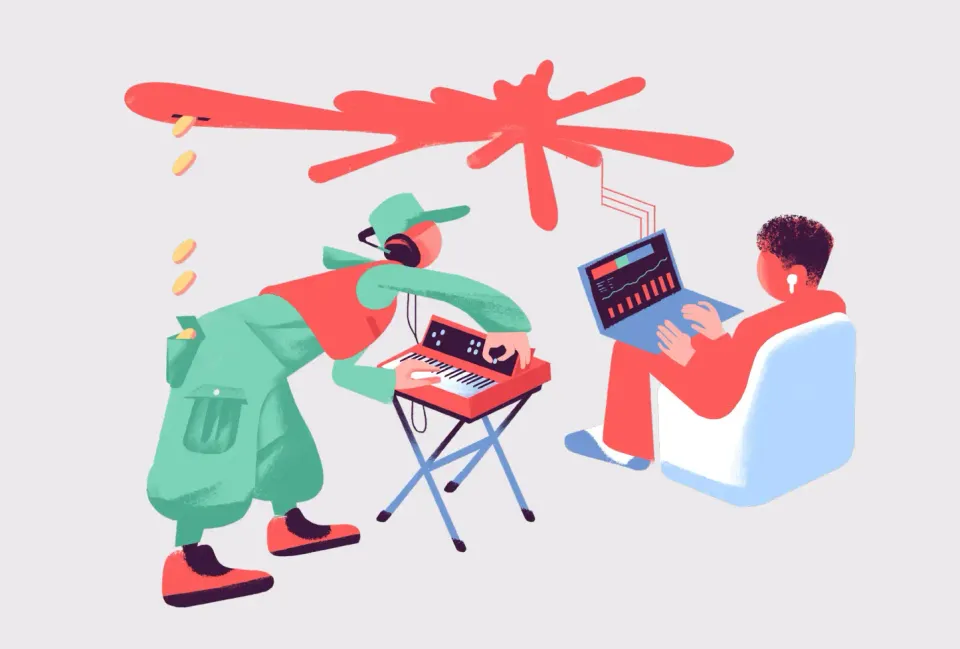
The idea that AI-generated music contains a traceable ‘DNA’ of individual training songs is a misconception. Similarity in the output is not proof of origin, but coincidence. Generative models work because millions of inputs dissolve into abstract structures.
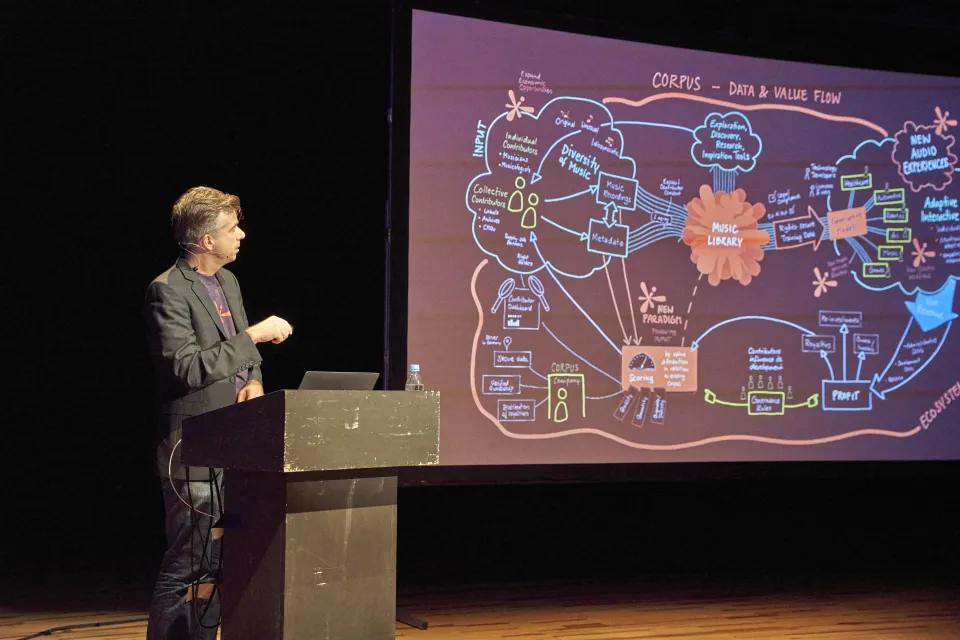
CORPUS LIVE made our digital project tangible. With musicians, discussions, and live performances, we showed what drives us: a real community, a serious commitment to music, and an infrastructure that embraces complexity. The evening marked the public start of a project built by people who care.
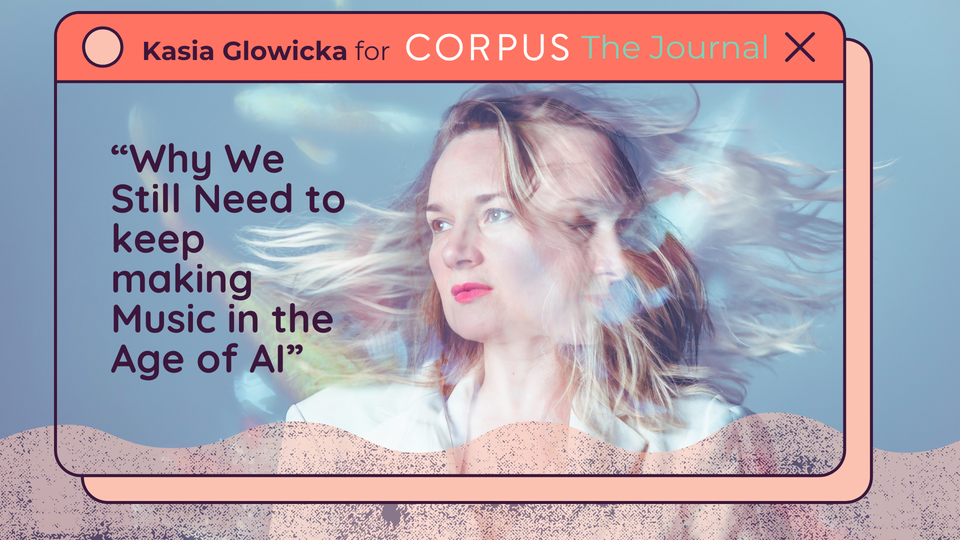
AI tools can now create music at the click of a button — but does that mean we should stop making it ourselves? Composer Kasia Głowicka reminds us that the real magic of music isn’t just the finished track, but the messy, rewarding process of creating it.
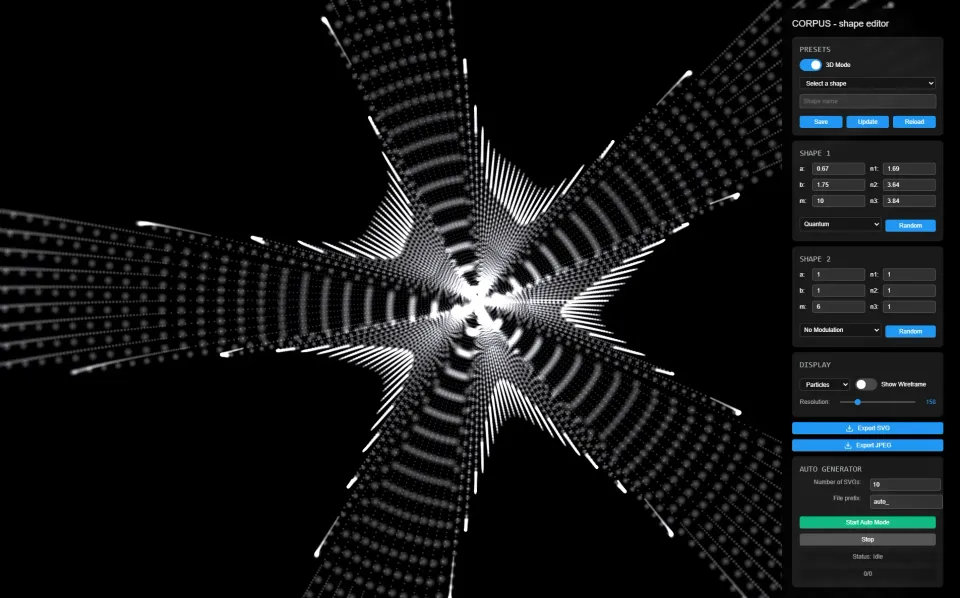
Inspired by nature and music, the CORPUS visualization on crps.ai shows data as a living system. CTO Lars Ullrich shares how algorithmic forms become visual storytelling—an evolving network where every contribution counts.