Copyright law was never designed to govern learning. As machine learning turns learning into a transferable, economically relevant process, a conceptual gap becomes visible. This essay examines that gap and asks what legal thinking is required once learning is no longer solely human.
CORPUS emerged in 2021 from the question of how to build large, high-quality music datasets for AI training without bypassing rights or excluding creators. Our White Paper explains why existing approaches fail and outlines an alternative licensing and royalty framework for music AI.
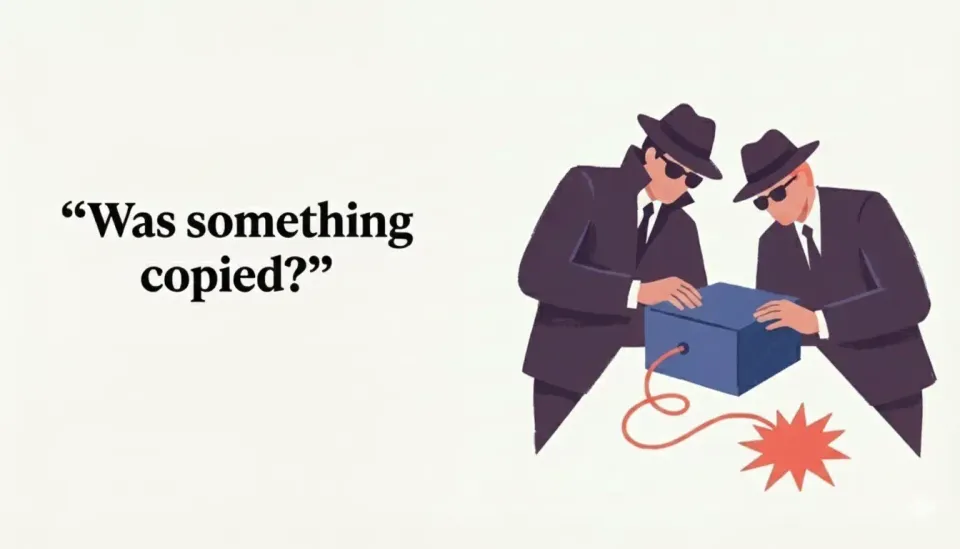
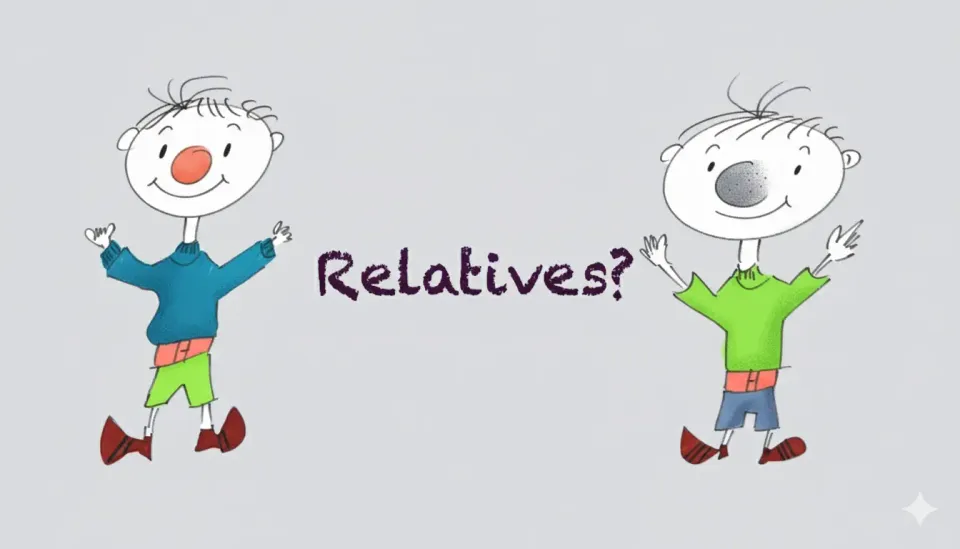
The idea that AI-generated music contains a traceable ‘DNA’ of individual training songs is a misconception. Similarity in the output is not proof of origin, but coincidence. Generative models work because millions of inputs dissolve into abstract structures.
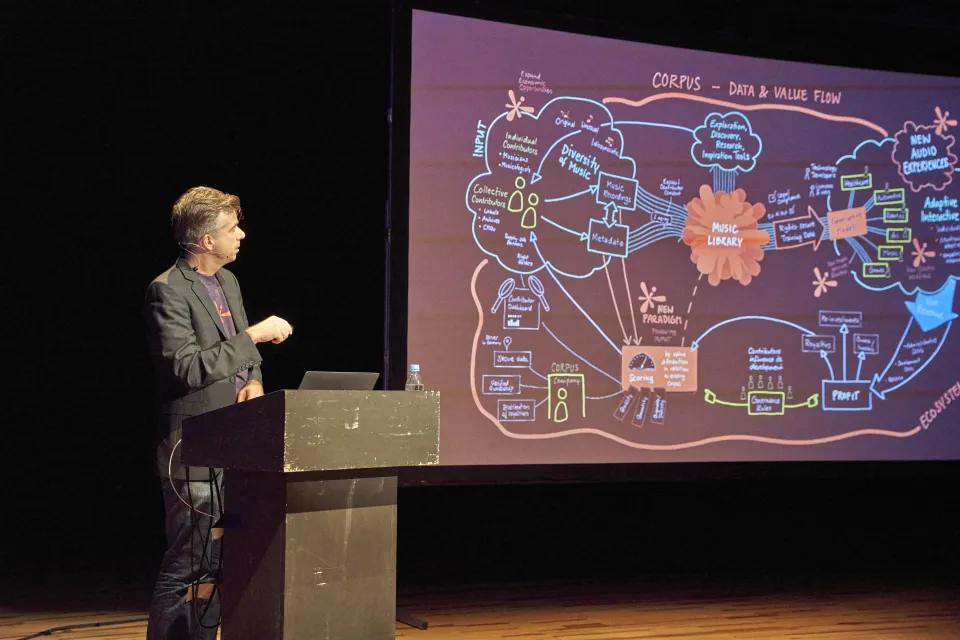
CORPUS LIVE made our digital project tangible. With musicians, discussions, and live performances, we showed what drives us: a real community, a serious commitment to music, and an infrastructure that embraces complexity. The evening marked the public start of a project built by people who care.
Generative AI music is booming. This report maps the 2025 landscape—adoption, tech, law, and artist views—highlighting the promise and tensions shaping the future of AI-generated sound.
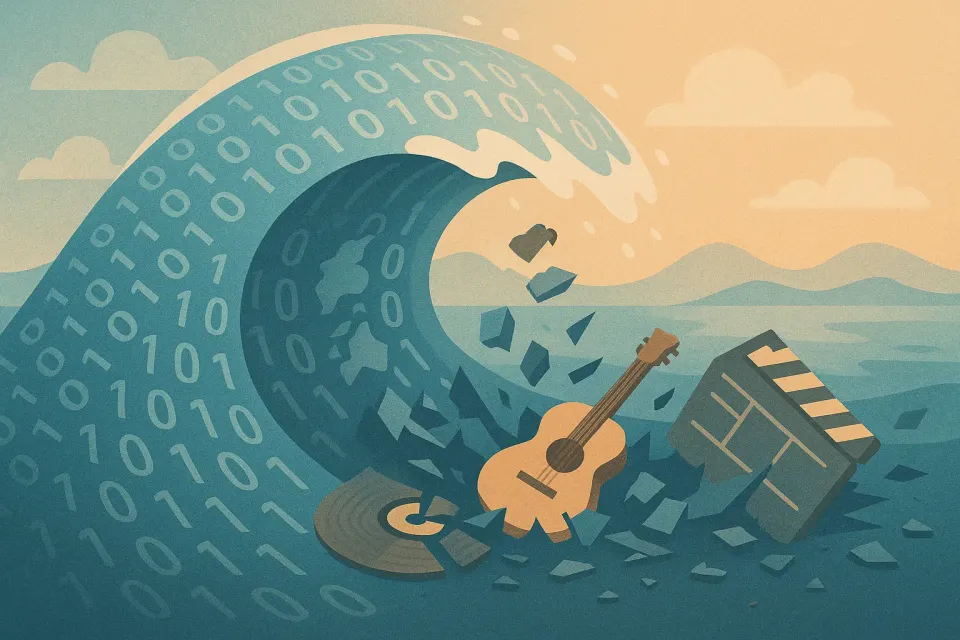
Part I: Adoption and Why – The Explosion of Generative AI Music
Generative AI music is booming. This report maps the 2025 landscape—adoption, tech, law, and artist views—highlighting the promise and tensions shaping the future of AI-generated sound.
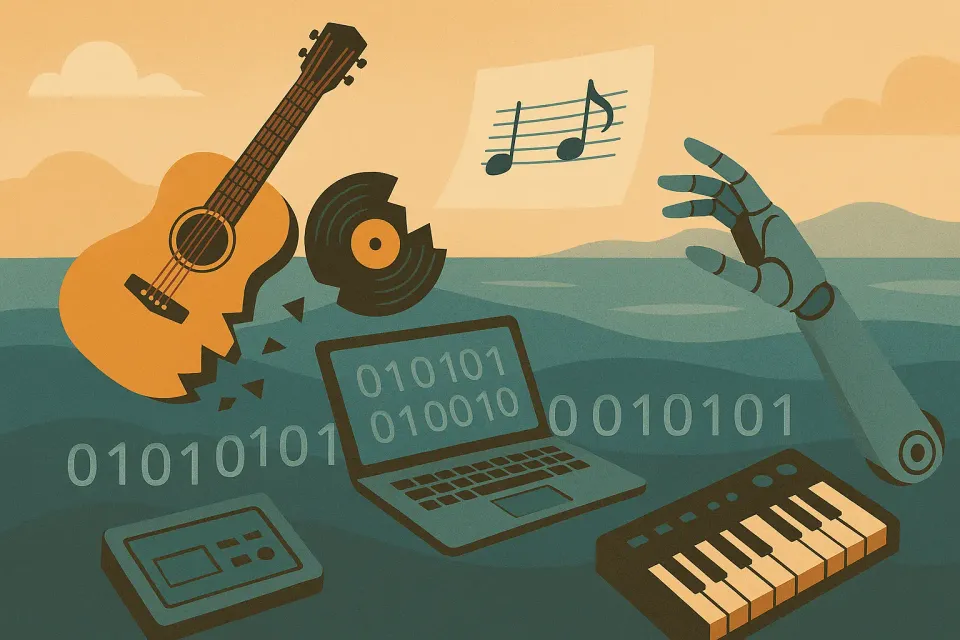
Part II: New Tools – How AI Is Reshaping the Music-Making Process
Generative AI music is booming.This report maps the 2025 landscape—adoption, tech, law, and artist views—highlighting the promise and tensions shaping the future of AI-generated sound.
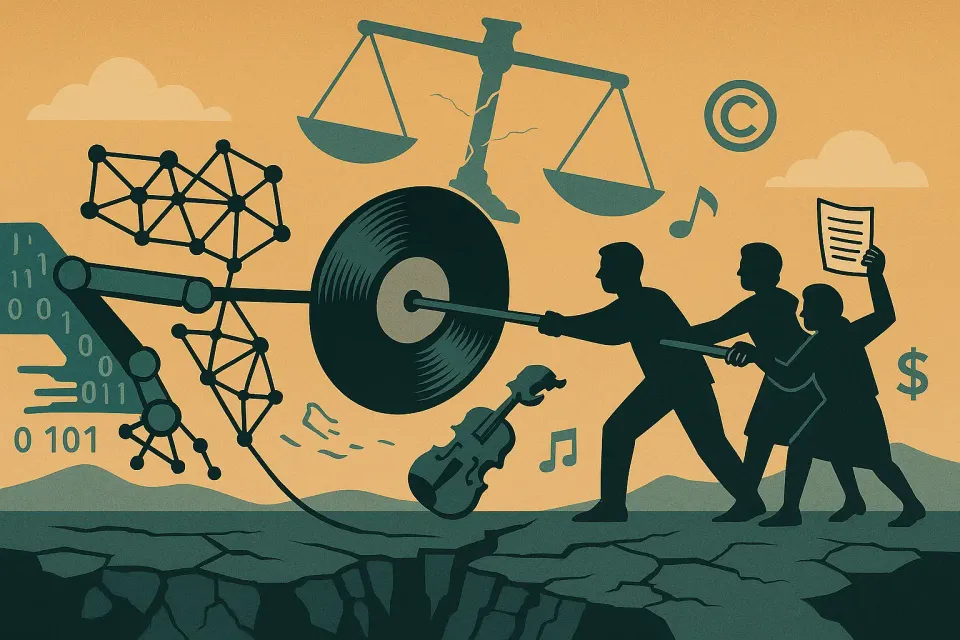
Part III: Licensing – Who Owns the Future of AI Music?